
Americans already lose about $1,500 a year due to spoiled food, according to a 2025 CNET survey, but the freezer isn’t always the savior it seems.
freezer seems like a safe haven for anything you’re not ready to use or for those big batches of food you bought on sale. Problem? Not everything returns from the cold safe and sound. Some foods require special handling before freezing, while others simply cannot be preserved and become mealy, mushy, or completely inedible.
Before you seal something up in a bag and call it “preserved,” here are 11 common foods that have no place in your freezer.
11 foods that should never be frozen
1. Milk and cream
Keep dairy products out of the freezer, otherwise they will separate and curdle.
Majority lactic Products cannot be frozen, otherwise they will become inedible. Milk, cream, yogurt and sour cream tend to separate when frozen. Once they do this, they cannot be returned to their previous state, and the defrosted result will be grainy, watery, or even cheesy. Nut milks, on the other hand, can be frozen more successfully.
Ice cream is a notable exception to the dairy rule, as its high sugar content lowers the freezing point and keeps the product soft and palatable.
2. Potatoes
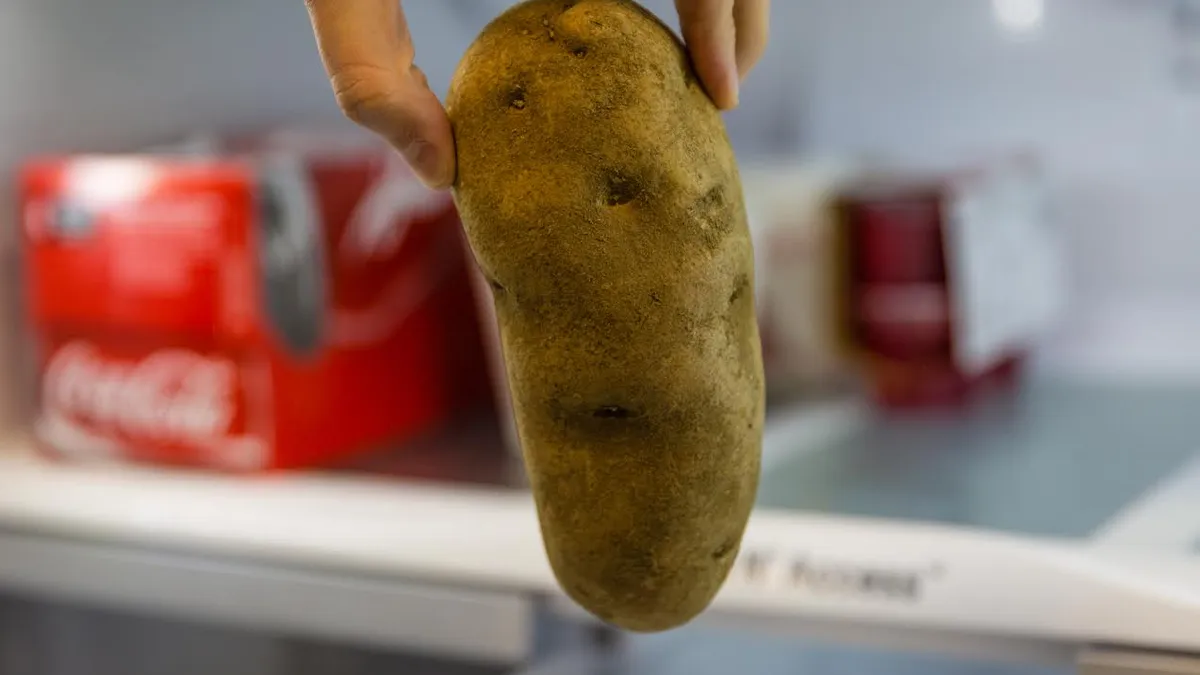
Potatoes cannot even be stored in the refrigerator, let alone frozen.
America’s favorite carbohydrate becomes soft and grainy when defrosted, a physical condition unsuitable for use in anything from mashed potatoes to French fries. This is because water separates from the starch in the tubers, resulting in a vomit-inducing texture that even scavenger critters like raccoons cannot digest.
Freezing boiled or partially cooked potatoes (usually parboiled) is okay because most of the water is removed during cooking. Packaged potato products from the freezer section of your local grocery store are treated with chemicals, preservatives or other special preparation methods to ensure flavor and texture are preserved when frozen.
3. Cheese
There are ways to store all types of cheese that will keep them fresher longer, but the freezer is not one of them.
When frozen, nasty ice crystals form. cheesewhich completely changes its taste and texture. This is especially true for soft and moldy cheeses, although some hard varieties, such as cheddar and jack, can withstand a constant blast of cold air if grated first and placed in a plastic bag for storage.
Read more: Store your cheese correctly and you can extend its life by days or even weeks. Here’s how
4. Fried food
Unfortunately, leftover Friend Chicken cannot be frozen for later.
The best part fried food this is, of course, a crispy breading. When placed in the freezer, this dough or crumble will absorb moisture from the appliance, making the food soggy. Plus, fried food is full of, you guessed it, oil, which doesn’t freeze completely and can spoil before the meat or vegetables it was cooked with. This can cause food to taste bad and potentially cause serious food poisoning.
5. Eggs
Eggs have a long shelf life in the refrigerator, so you don’t have to freeze them.
If you want rubbery scrambled eggs, place them in the freezer before cooking. This occurs due to a process called “gelation,” in which the yolk protein molecules stick together, making the liquid thicker. The contents of eggs also expand when frozen, causing whole eggs to crack and leak. Avoiding storing eggs in the freezer means avoiding egg-based condiments such as mayonnaise, which tend to become lumpy and sticky.
6. Tender salad greens
The lighter the salad green, the less likely it is to survive freezing.
While some greens, including kale, spinach and collards, do well in the freezer, more tender, water-intensive varieties fall apart. Store mixed greens, mesclun, romaine and iceberg greens in a crisper and out of the freezer.
7. Vegetables with high water density
Tomatoes, cucumbers and other vegetables with high water content are not suitable for freezing.
If it’s a fruit or vegetable You can make a regular salad out of it, but it won’t hold up in the freezer. This includes foods with high water content such as tomatoes, cucumbers and celery.
8. Avocado
Frozen avocados cannot be reconstituted for use in salads or guacamole, but they can be added to a healthy smoothie or smoothie.
The beloved avocado also does not do well in extremely cold temperatures. As soon as it thaws, it will immediately begin to brown. Nobody wants to dip into brown guacamole. While you can’t reconstitute frozen avocados to spread on toast or make sauce for your late-night tacos, you can use them as an ingredient in smoothies.
9. Whole citrus
The best option when you have an excess of citrus fruits is to juice the fruit and freeze it later for recipes and smoothies.
Some dense fruits, such as berries and mangoes, keep well in the freezer, but citrus fruits also do not maintain their integrity, and most whole citrus fruits become mealy after thawing. If you have a lot of lemons, limes or oranges, it’s best to juice them and freeze the juice for later.
10. Boiled pasta and rice
Leftover cooked rice and pasta can be safely frozen, but they will lose much of their texture and flavor when reheated.
You can freeze cooked pasta and rice, but that doesn’t mean you should. The water content in noodles and grains causes the cells to burst, resulting in a pasty, sticky residue that can’t be salvaged even with the most delicious sauces.
The pasta will almost certainly come out of the freezer in a rough shape. Rice is a little more durable, but consider vacuum-sealing it to keep moisture out before putting it in the freezer to preserve.
11. Drinks in bottles or cans.
We’ve all tried to quickly chill a beer or soda in the freezer.
Who hasn’t tried to cheat time by chilling a warm can or bottle of beer in the freezer, only to forget about it and return to find a frozen, boiling disaster? If you’re using the freezer to chill canned or bottled drinks, it’s wise to set the timer for 10 minutes to keep them from freezing and exploding.
#Foods #Freezer #Costs #trending #[now:year]